Keeping a car clean on the outside is something most vehicle owners think about regularly. A shiny exterior looks great and protects the paint from damage. However, the inside of your vehicle deserves just as much attention. Interior car detailing goes far beyond a quick wipe of the dashboard or a fast vacuum of the floor mats. It is a thorough process designed to restore, sanitize, and protect every surface inside your vehicle.
Interior detailing is not just about aesthetics. It affects comfort, hygiene, vehicle longevity, and even resale value. Dust, stains, odors, and bacteria can build up over time, especially if a car is used daily, carries passengers frequently, or transports pets. A properly detailed interior eliminates these problems and keeps your vehicle feeling fresh and well maintained.
Understanding Interior Car Detailing
Interior car detailing refers to the deep cleaning, restoration, and protection of every surface inside a vehicle's cabin. Unlike a standard interior cleaning, detailing focuses on removing deeply embedded dirt, sanitizing surfaces, and conditioning materials so they remain in good condition over time.
A quick interior clean may involve vacuuming the floor and wiping the dashboard with a cloth. Interior detailing, however, is far more comprehensive. It targets hidden dirt in crevices, stains in upholstery, bacteria in high-touch areas, and odors that linger in carpets or seats.
Professional detailers use specialized tools, cleaning agents, and techniques to ensure each material inside the car is treated properly. Fabrics require different cleaning methods than leather, and plastic surfaces need different care compared to glass or vinyl. The goal is to restore the interior to a near-new condition while protecting surfaces from future wear.
This process is valuable not only for appearance but also for maintaining the overall environment inside the car. Since drivers and passengers spend significant time inside their vehicles, the cleanliness of the interior can directly affect comfort and health.
Since drivers and passengers spend significant time inside their vehicles, the cleanliness of the interior can directly affect comfort and health.
Why Interior Car Detailing Matters
Many car owners underestimate how quickly dirt and contaminants accumulate inside a vehicle. Dust from the air, mud from shoes, food crumbs, pet hair, spilled drinks, and skin oils from daily use all contribute to interior buildup. Over time, this buildup can lead to unpleasant odors, stains, and deterioration of materials.
One of the biggest reasons interior detailing matters is hygiene. A car interior can easily become a breeding ground for bacteria and allergens. Seats, steering wheels, gear shifters, and door handles are touched frequently, making them prime locations for germs. Regular detailing removes these contaminants and creates a healthier cabin environment.
Another important factor is material protection. Surfaces such as leather seats, vinyl dashboards, and plastic trims can deteriorate if they are not properly maintained. Exposure to sunlight, heat, and everyday wear can cause cracking, fading, and discoloration. Interior detailing includes conditioning and protective treatments that help preserve these materials.
Interior detailing also plays a significant role in maintaining a vehicle's resale value. When buyers inspect a used car, the interior condition often influences their perception of the vehicle. A spotless interior suggests the car has been well cared for, while a dirty or damaged interior can immediately reduce its value.
In addition to practical benefits, there is also a psychological advantage. Driving a clean and fresh-smelling vehicle simply feels better. A tidy interior can make daily commutes more enjoyable and reduce stress during long drives.
Hygiene & Health
Removes bacteria and allergens from steering wheels, handles, and gear shifters — prime locations for germs.
Material Protection
Conditioning prevents cracking, fading, and discoloration of leather, vinyl, and plastic trims.
Resale Value
A spotless interior signals careful ownership and can meaningfully raise a vehicle's sale price.
Odor Elimination
Professional methods eliminate odors at the source from spills, pets, smoke, and moisture.
Daily Comfort
A tidy interior makes commutes more enjoyable and reduces stress during long drives.
UV Defense
Dashboard protectants shield surfaces from sun damage — especially critical in UAE heat.
The Interior Car Detailing Process
The interior detailing process involves multiple stages designed to clean, sanitize, and protect every part of the vehicle's cabin. Each step focuses on a specific area or material to ensure the entire interior is thoroughly restored.

Initial Inspection and Preparation
The detailing process typically begins with an inspection of the vehicle's interior. During this stage, the detailer evaluates the condition of seats, carpets, and surfaces to identify stains, odors, and areas that require special attention. Loose items such as trash, personal belongings, and removable floor mats are removed from the vehicle. This allows detailers to access every surface and ensures the cleaning process can be completed efficiently. Preparation may also involve selecting appropriate cleaning products based on the materials inside the car — fabric upholstery, leather seats, and plastic trim all require different types of cleaners and conditioners.
Vacuuming and Debris Removal
Vacuuming is one of the most important steps in interior detailing because it removes loose dirt and debris before deeper cleaning begins. High-powered vacuums with specialized attachments are used to reach every corner of the vehicle. Carpets, seats, and floor mats are thoroughly vacuumed to remove dust, crumbs, and dirt particles that accumulate from daily use. Detailers pay special attention to seat crevices, under-seat areas, and narrow spaces between the center console and seats. The trunk area is also vacuumed since it often collects dust and debris from luggage, groceries, or tools. By removing loose contaminants first, the detailing process becomes more effective during later stages.
Carpet and Floor Mat Cleaning
Carpets and floor mats often experience the most wear because they are constantly exposed to dirt, mud, and moisture from shoes. Interior detailing includes deep cleaning these surfaces to remove stains and odors. Fabric floor mats and carpets are usually treated with specialized shampoos designed to lift dirt from the fibers. In many cases, a carpet extractor is used to spray cleaning solution into the carpet and then extract it along with embedded dirt. Steam cleaning may also be used to sanitize carpets and break down stubborn stains — steam not only loosens dirt but also kills bacteria and neutralizes odors trapped in the fibers. Rubber floor mats are cleaned separately using brushes and cleaning solutions to remove grime, then rinsed and dried before being placed back into the vehicle.
Upholstery Cleaning
Car seats require careful attention during interior detailing because they are one of the most frequently used surfaces inside a vehicle. The cleaning method depends on whether the seats are made of fabric, leather, or synthetic materials. Fabric seats are typically cleaned using upholstery shampoo and extraction equipment — the cleaning solution penetrates the fabric to loosen stains and dirt, which are then extracted with a vacuum-like machine. Leather seats require a different approach: a specialized leather cleaner is used to gently remove dirt and oils without damaging the surface, and after cleaning a leather conditioner is applied to restore moisture and prevent cracking or fading. Synthetic materials such as vinyl or faux leather are cleaned using safe interior cleaners that remove grime while maintaining the material's finish.
Dashboard and Console Cleaning
The dashboard and center console are focal points of a car's interior and can quickly accumulate dust and fingerprints. During detailing, these surfaces are carefully cleaned using soft microfiber cloths and interior-safe cleaners. Detailers ensure that all buttons, controls, and touchscreens are cleaned without causing damage. Special attention is given to areas around air vents, radio controls, and gear shifters where dust tends to collect. After cleaning, a protective dressing or UV protectant may be applied to the dashboard — this helps prevent fading, cracking, and discoloration caused by prolonged sun exposure.
Door Panels and Interior Trim
Door panels contain a combination of materials such as plastic, vinyl, fabric, and sometimes leather. These surfaces are wiped down and cleaned using appropriate detailing products to remove dirt, stains, and fingerprints. Interior trims and handles are also cleaned thoroughly since they are touched frequently by drivers and passengers. Applying a protective dressing can restore the appearance of plastic trim and keep it looking new. This stage often includes cleaning window switches, armrests, and other high-contact surfaces.
Air Vent and Crevice Cleaning
Air vents and tight crevices can easily trap dust and debris that are difficult to reach with standard cleaning tools. Detailers use small brushes, compressed air, and specialized attachments to remove dirt from these areas. Cleaning air vents improves airflow and prevents dust from circulating throughout the cabin, contributing to better overall air quality inside the vehicle. Small crevices around seat rails, cup holders, and console edges are also cleaned to ensure no dirt is left behind.
Headliner Cleaning
The headliner is the fabric covering on the interior roof of the car. It requires gentle cleaning because excessive moisture or scrubbing can damage the adhesive holding it in place. Detailers typically use light cleaning solutions and soft cloths to remove stains or marks from the headliner. Careful techniques ensure the fabric remains intact while still achieving a clean appearance.
Odor Removal and Sanitization
Odor removal is a key part of interior detailing, especially if the vehicle has been exposed to smoke, pets, food spills, or moisture. Professional detailers use several methods to eliminate odors rather than simply masking them. Enzyme-based cleaners break down organic materials that cause smells, such as spilled drinks or pet accidents. Steam cleaning can also help neutralize odors by killing bacteria embedded in upholstery and carpets. In some cases, ozone treatments are used to completely remove persistent odors — ozone generators release ozone molecules that neutralize odor-causing compounds throughout the vehicle. Sanitizing surfaces is another important step: high-touch areas such as steering wheels, seat belts, and door handles are disinfected to eliminate germs and bacteria.
Tools and Products Used in Interior Car Detailing
Interior detailing requires specialized equipment and products designed specifically for automotive surfaces. Professional detailers rely on tools that can clean thoroughly without damaging delicate materials.
Essential for removing dirt and debris from carpets and upholstery. Many detailers use vacuums with multiple attachments to reach tight spaces and corners.
Sanitize surfaces without relying heavily on chemicals. Steam penetrates fabric and upholstery to loosen dirt and kill bacteria.
Soft, highly absorbent, and safe for delicate surfaces. They help prevent scratches while effectively removing dust and grime.
Upholstery shampoos are designed for fabric seats and carpets. Leather cleaners and conditioners are specifically formulated to preserve the natural oils in leather and prevent drying or cracking.
Applied after cleaning to create a protective layer on surfaces. These products help shield materials from UV damage, dust buildup, and everyday wear.
Used for persistent odors. Ozone generators release molecules that neutralize odor-causing compounds throughout the entire vehicle.
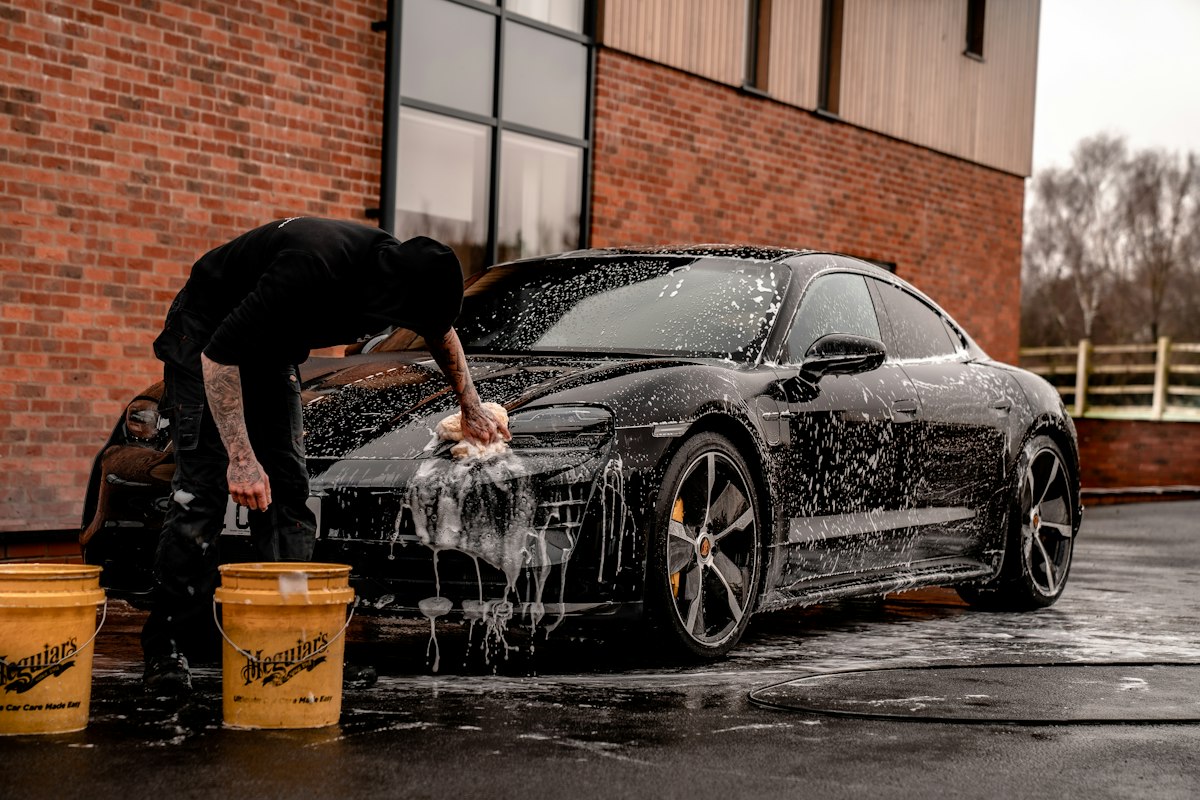
Professional Detailing vs DIY Interior Cleaning
Many car owners wonder whether they should detail their vehicle themselves or hire a professional service. Both options have advantages depending on budget, time, and desired results.
Professional detailing services offer the benefit of expertise and specialized equipment. Detailers are trained to handle different materials and know how to remove tough stains without damaging surfaces. They also have access to commercial-grade tools such as steam cleaners and extraction machines that produce deeper cleaning results. Hiring professionals can save significant time and effort, especially if the vehicle interior is heavily soiled. However, professional services may be more expensive compared to doing the work yourself.
DIY interior detailing can be a good option for car owners who enjoy maintaining their vehicles and want to save money. With the right products and tools, it is possible to achieve good results at home. However, DIY cleaning may not be as thorough as professional detailing, particularly when dealing with deep stains or persistent odors.
Many vehicle owners choose a combination approach, performing regular cleaning themselves while scheduling professional detailing once or twice a year.
- Commercial-grade steam & extraction equipment
- Expertise across all material types
- Removes deep stains and persistent odors
- Saves personal time and effort
- Ozone treatment available
- Higher cost investment
- Cost-effective for regular upkeep
- Suitable for light maintenance between sessions
- Good results with the right consumer products
- Limited on deep stains and persistent odors
- Requires personal time and effort
- No specialist machinery
How Often Should You Detail Your Car Interior?
The frequency of interior detailing depends on how the vehicle is used. For drivers who use their cars daily, interior surfaces can accumulate dirt quickly. Regular light cleaning, such as vacuuming and wiping surfaces, should ideally be done every few weeks.
A full interior detailing service is usually recommended every three to six months. This ensures that deep-seated dirt, stains, and odors are removed before they cause long-term damage.
Certain factors may require more frequent detailing. Families with children often deal with spills, crumbs, and sticky surfaces, while pet owners must manage hair and odors. Vehicles used for ridesharing or long daily commutes may also benefit from more frequent interior maintenance. Climate can also play a role — areas with heavy rain, snow, or dust may cause interiors to get dirty faster.
Tips to Maintain a Clean Car Interior
Maintaining a clean car interior between detailing sessions can significantly reduce the amount of work required later. Simple habits such as removing trash regularly and cleaning spills immediately can prevent stains from forming.
- Remove trash regularly and clean spills immediately to prevent stains from setting in.
- Using floor mats helps protect carpets from dirt and moisture.
- Seat covers can also protect upholstery from wear and spills.
- Keeping a small microfiber cloth or interior wipes in the car allows drivers to quickly wipe down surfaces when necessary.
- Avoiding eating in the car can also reduce crumbs and stains.
- Regular maintenance not only keeps the interior looking good but also extends the life of the materials inside the vehicle.
Interior Detailing and Vehicle Value
A well-maintained interior can significantly increase a car's resale value. When potential buyers inspect a used vehicle, the interior often leaves a strong impression. Clean seats, fresh carpets, and a pleasant scent suggest the car has been carefully maintained.
On the other hand, stained upholstery, strong odors, or damaged trim can quickly discourage buyers or lead to lower offers.
Interior detailing before selling a vehicle can make it more appealing in listings and during test drives. The relatively small cost of detailing can often result in a higher selling price.
The relatively small cost of a professional interior detail before listing a vehicle for sale is almost always recovered — and often exceeded — in the final asking price. First impressions inside the cabin are among the most powerful factors in a buyer's decision.
Final Thoughts
Interior car detailing is more than just a cosmetic improvement. It is an essential part of vehicle maintenance that contributes to cleanliness, comfort, and long-term durability. By removing dirt, bacteria, and odors while protecting interior materials, detailing helps keep your car in excellent condition.
Whether performed professionally or done at home, regular interior detailing ensures that the space where you spend so much time remains clean and enjoyable. From vacuuming carpets and cleaning seats to sanitizing surfaces and removing odors, every step plays a role in restoring the interior of your vehicle.
A well-detailed interior not only enhances the driving experience but also protects your investment by maintaining the value of your car. With consistent care and occasional deep detailing, your vehicle's interior can remain fresh, comfortable, and attractive for years to come.